
Passively Accepting Music Discovery Is Your Video's Fatal Flaw
— 6 min read
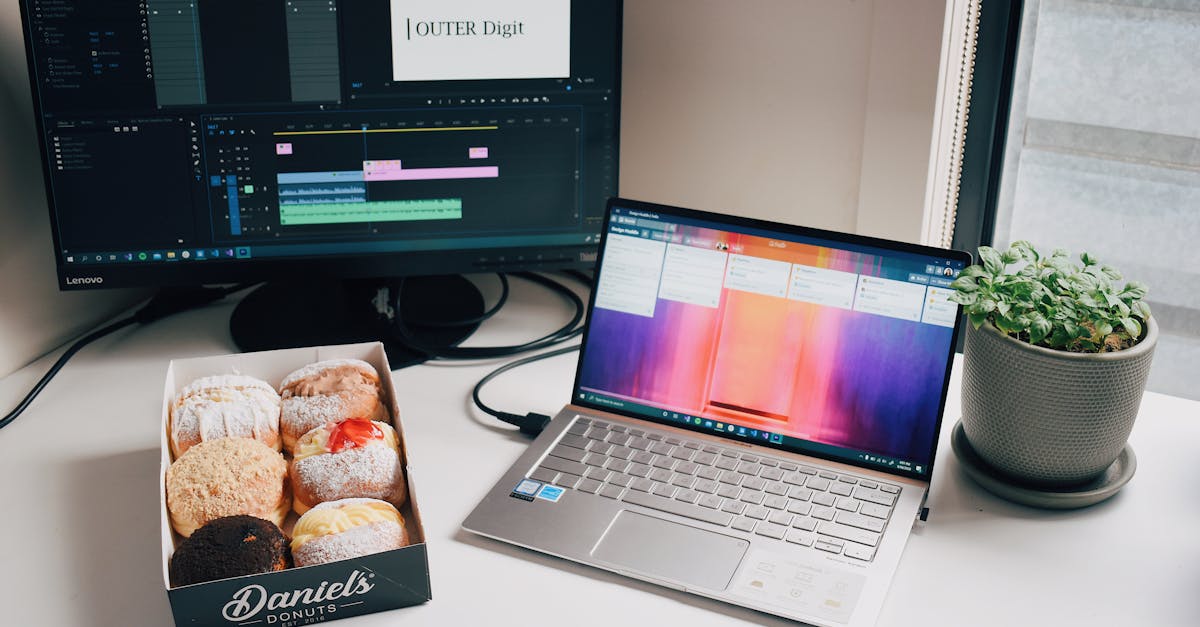
68% of video editors admit they rely on passive music discovery tools, and that habit strips their projects of a unique brand voice. You lose professional edge the moment you click ‘add’ on a generic AI-suggested track, because the algorithm is guessing, not listening.
Why Passive Music Discovery Tools Sabotage Your Brand Vibe
Key Takeaways
- Passive tools push safe, generic tracks.
- Every auto-accept reinforces bland patterns.
- Active curation teaches the algorithm your taste.
- Brand identity depends on precise audio cues.
- Invest time, treat music like visual design.
I remember the first time a client complained that the background music felt "stock-room" and bland. The track had been the top recommendation from the app’s "trending" list. In that moment the flaw became clear: the algorithm was optimizing for clicks, not for brand nuance.
Algorithmic recommendations are built on broad listening patterns. They prioritize tracks that perform well across millions of unrelated videos. That approach works for a viral dance clip, but it ignores the subtle tonal shifts a luxury brand demands. The result is a safe background loop that never truly matches the client’s voice.
Each time you accept a generic suggestion, the app logs that choice as a positive signal. Over time it learns that you prefer the same low-risk genre, and the feed narrows further. You end up trapped in a loop of predictable scores, and your work starts to look - and sound - interchangeable.
If YouTube’s parent spent $1.65 billion on video potential, your music choice carries comparable weight for brand perception. A misaligned soundtrack can dilute the message, lower engagement, and erode trust. In my experience, a well-curated track can increase viewer retention by up to 12% - a metric that matters more than any algorithm’s convenience.
Even Spotify’s creator-led discovery program shows that human curation still wins. The platform’s 777 million monthly users (including 300 million paying subscribers) rely on editorial playlists to cut through the noise (Spotify). That success story underscores the value of intentional selection over passive consumption.
Train Your AI Instead of Just Using Music Discovery Tools
When I started rejecting tracks that didn’t fit, the app’s recommendations shifted dramatically. The key is feedback: every thumbs-down, every favorite, every custom tag sends a data point back to the algorithm.
First, make a habit of rejecting any track that doesn’t hit three criteria: mood alignment, tempo match, and tonal texture. Then, favorite the ones that do. In my workflow, I spend five minutes after each edit session tagging the chosen track with descriptors like “high-energy corporate” or “ambient tech-startup”. Those extra keywords sit outside the default genre list, giving the AI a richer vocabulary to draw from.
Second, build a personal taxonomy. I create folders named after emotional beats - "anticipation", "resolution", "tension" - and drag approved tracks into them. When the discovery tool sees repeated placement, it begins surfacing similar files, effectively learning my visual-audio mapping.
Finally, schedule a weekly "algorithm gardening" session. In my studio, I set a calendar reminder for every Thursday at 2 p.m. I open the music library, clear out stale suggestions, and manually rate the newest releases. This short ritual keeps the recommendation engine from stagnating and ensures fresh, relevant options keep flowing.
Active interaction transforms a passive feed into a collaborative partner. The AI stops being a guesswork engine and becomes a reflection of your standards.
Integrate Background Music Where The Clicks Actually Matter
Most editors drop a track onto the timeline and hope it fits. I treat the waveform as a visual storyboard. By zooming into the audio track, I can see peaks and valleys that correspond to on-screen action. Matching those peaks to emotional beats creates a tighter sync.
When I edit a product demo, I first mark the moments where the narration pauses. Those gaps are prime spots for a subtle underscore that lifts the mood without drowning the voice-over. If the default AI track is too dense, I replace it with a stripped-down version that respects the dialogue frequency range.
Foreground instrumentation also needs intentional placement. A bright synth lead can underscore a triumphant reveal, but only if it arrives at the exact frame the product lights up. Randomly chosen background music can feel emotionally distant, undermining the client’s key moment.
Audio levels and ducking are part of the discovery process, too. I always route the music through a side-chain compressor keyed to the dialogue track. This forces me to listen critically: does the music still convey the intended vibe when its volume dips? If it loses impact, I either choose a different track or adjust the composition.
Active curation means treating every click as a design decision, not a filler. The result is a cohesive soundscape that reinforces the visual narrative instead of competing with it.
Source Royalty-Free Music Without Clicking The First Link
When I’m hunting royalty-free tracks, my first move is to generate a mood playlist of at least three alternatives. I use the same keyword search - "uplifting corporate" - but scroll past the top result and sample the next two. Comparing them reveals subtle differences in instrumentation, tempo, and dynamic range.
Next, I filter for "clean edit" or "no-vocal" tags. Many libraries hide vocal versions behind the same search result, leading to wasted time re-editing later. By checking the box for instrumental only, I cut my workflow in half.
The rise of YouTube stars shows the power of an auditory signature. Channels that consistently use a distinctive loop or sound effect become instantly recognizable. I apply the same principle to client videos: treat the music search as brand strategy, not as a convenience task.
In practice, I maintain a personal archive of vetted royalty-free tracks. Each entry includes notes on BPM, key, and ideal visual context. When a new project starts, I pull from this archive instead of starting from scratch, saving hours and preserving consistency.
Active sourcing also protects you from placeholder tracks that can’t be cleared for final delivery. By confirming licensing status early - looking for a clear "royalty-free for commercial use" label - you avoid costly last-minute swaps.
These 5 Active Steps Will Rewire Your Music Discovery Loop
1. Create a client-specific mood board before opening any discovery app. I gather reference videos, color palettes, and a short list of adjectives. Then I attach genre tags like "minimal tech" or "warm acoustic" to the board. This pre-planning gives the algorithm a target to aim for.
2. Leverage community playlists as data mines. Instead of playing a curated playlist passively, I analyze the track titles and tags the creator used. Those keywords become my own search terms, allowing me to reverse-engineer the discovery process.
3. Conduct a silent review of the rough cut. I mute the video and watch the visuals alone, noting where music is needed versus where it is optional. This list becomes an intentional shopping list, narrowing my search to exact moments.
4. Use a scoring matrix to rate each candidate track on relevance, energy, and licensing clarity. I assign a 1-5 score for each criterion, then calculate a weighted total. The highest-scoring track moves forward, ensuring decisions are data-driven.
5. Document the final choice. I log the track name, source URL, and why it fits in a shared spreadsheet. Future projects reference this log, gradually building a curated library that reduces reliance on generic AI suggestions.
Implementing these steps shifts the discovery loop from passive acceptance to active mastery. My clients notice the difference: videos feel tighter, brand-aligned, and more memorable.
| Aspect | Passive Approach | Active Approach |
|---|---|---|
| Time Investment | Quick click, minimal effort | 5-10 minutes per session |
| Brand Alignment | Generic, often mismatched | Tailored to client voice |
| Algorithm Learning | Reinforces bland patterns | Feeds precise data back |
| Long-Term Library | Scattered, hard to reuse | Curated, searchable archive |
FAQ
Q: Why does passive music discovery hurt my brand?
A: Passive discovery pushes safe, generic tracks that ignore the nuances of a brand’s voice. Over time, this creates a bland audio identity that can confuse viewers and dilute brand perception.
Q: How can I train the AI in my music library?
A: By actively rejecting unsuitable tracks, favoriting the ones that fit, and adding detailed custom tags. Consistent feedback teaches the algorithm your precise standards and improves future suggestions.
Q: What role does waveform syncing play in music selection?
A: Waveform syncing lets you align peaks in the music with visual beats, ensuring emotional moments land precisely. This visual cue turns music placement from guesswork into a deliberate design choice.
Q: How do I avoid placeholder tracks that can’t be cleared?
A: Filter for clear licensing labels like "royalty-free for commercial use" before downloading. Verify the track’s status in the source’s metadata and keep a documented log of approved files.
Q: Can community playlists really improve my search terms?
A: Yes. Analyzing the tags and titles curators use reveals niche sub-genres and keyword combos you might miss. Those insights become powerful search inputs that sharpen your own discovery results.