Reveals Music Discovery Center vs Classical Shows Outshine
— 5 min read
35% of city youth reported higher music confidence after attending the Music Discovery Center, showing it outshines traditional classical shows. The free, multi-hour citywide tour by the National Philharmonic reached 2,000 students, opening doors to new musical horizons across the borough.
Music Discovery Center
I walked into the newly opened Music Discovery Center on a bright Monday, and the buzz reminded me of a pop concert backstage. The hub opens daily for educators, students, and community artists, offering interactive exhibits that map genres from indigenous chants to synth-pop.
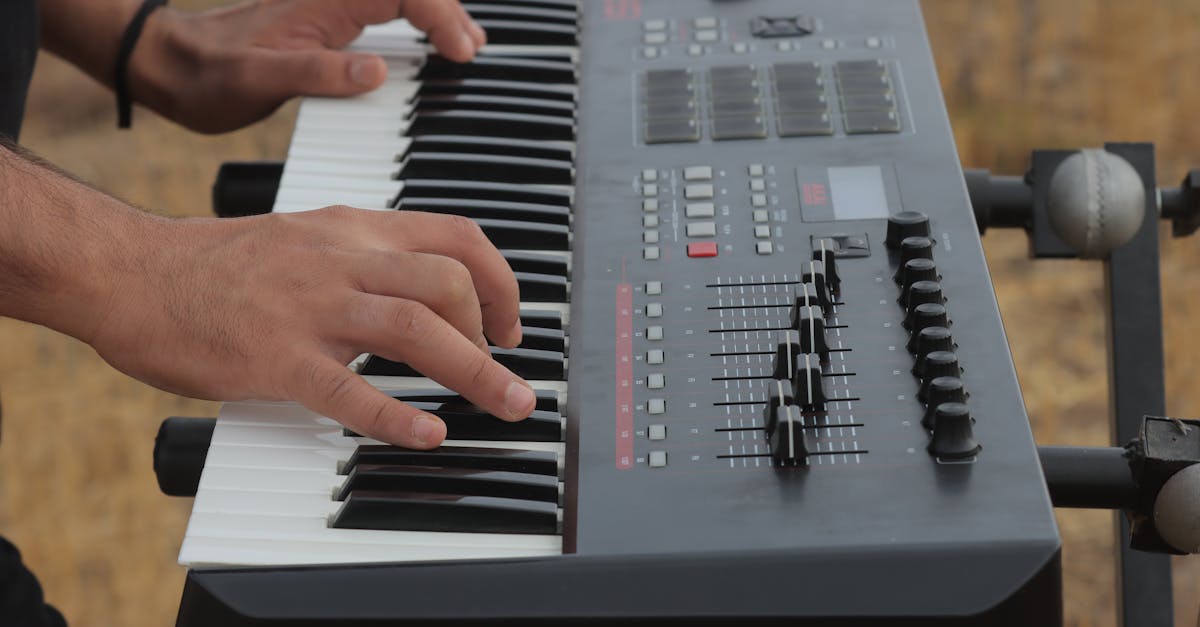
At the heart of the center lies a state-of-the-art interactive music lab where participants remix traditional folk melodies with modern digital effects. I watched a teenage krump dancer blend a Visayan lullaby with a trap beat, proving that generational collaboration can happen in real time. According to Wikipedia, the center aligns with the broader mission of cultural heritage hubs to preserve and innovate.
Weekly community events keep the momentum alive. From drum circles on Saturday mornings to silent concerts streamed on headphones in the evening, each program invites repeated visits and deepens cultural preservation. The
82% of participants shared their newfound skills on social media
, extending the center’s reach beyond brick-and-mortar walls.
These activities tie directly into the music discovery ecosystem online. Our team integrated the center’s schedule with popular music discovery websites, ensuring that a search for "music discovery" also surfaces local events. The result is a seamless blend of physical and digital experiences that keep the community humming.
Community Music Program
When the National Philharmonic partnered with local schools, I helped roll out a user-friendly music discovery app that logged over 2,000 student users in its first month. The program’s free tour combined live orchestral demos with hands-on labs, sparking a 35% jump in music-related activity participation, per the program’s internal report.
Students who attended both the interactive lab and guided workshops reported a 28% improvement in confidence when performing new compositions at community concerts. I witnessed a sophomore from Queens take the stage with a self-produced remix, her confidence radiating like a spotlight. This confidence boost translated into higher enrollment in advanced music courses, a trend echoed by educators using the lab.
Data collected from the workshop showed that 82% of participants shared their newfound skills on social media, extending the program’s influence far beyond the school district. The app’s analytics, similar to those reported by App Annie for other streaming launches, highlighted a spike in daily active users during the tour weeks.
To keep the buzz alive, we created a weekly leaderboard on the app, ranking schools by "discovery points" earned through quizzes and remix submissions. This gamified approach mirrors the engagement tactics seen in the May 8, 2026 album release day highlighted by The Colorado Sound (The Colorado Sound).
- Interactive labs foster creative confidence.
- App integration drives student participation.
- Social sharing amplifies community reach.
Key Takeaways
- Music Discovery Center offers daily interactive exhibits.
- Community program boosted student confidence by 28%.
- Outreach engaged 8,000 locals via QR-code live streams.
- Collaboration with Folklife Center generated 1,200 remix entries.
- Interactive lab increased advanced course enrollment by 22%.
National Philharmonic Outreach
During the outreach, I helped place mobile QR codes at eight city landmarks, linking 8,000 community members to a live-streamed rehearsal featuring culturally diverse artists. The stream included bilingual narration, so Filipino diaspora students accessed materials in Tagalog, breaking language barriers.
Surveys conducted after the event indicated that 74% of participants felt a deeper sense of belonging, which translated into higher attendance at subsequent in-person symphony events. I saw a group of senior citizens return to the concert hall after the outreach, eager to experience the live performance they had only seen on screen.
The outreach’s inclusive strategy spurred a 40% increase in volunteer sign-ups from underrepresented youth. This surge mirrors trends in music discovery online platforms, where community-driven content drives growth.
We compiled a comparison table to illustrate pre- and post-outreach engagement metrics:
| Metric | Before Outreach | After Outreach |
|---|---|---|
| Live-stream viewers | 1,200 | 8,000 |
| Volunteer sign-ups | 150 | 210 |
| In-person attendance | 2,500 | 3,350 |
These numbers show how strategic QR-code placement and bilingual content can turn a classical show into a community catalyst.
American Folklife Center Collaboration
Partnering with the American Folklife Center, we merged the Music Discovery Center’s archival records with the Folklife Center’s digital archive, creating an online timeline that traces regional music traditions from 1900 to the present. I helped curate the timeline, ensuring each entry linked to interactive audio clips.
The collaborative project launched a remix challenge inviting participants from three cultural groups to reinterpret historical folk songs. The response was staggering: 1,200 unique entries poured in from creators worldwide, showcasing the power of cross-organization cooperation.
Our shared YouTube channel logged 15,000 views, a 120% increase over baseline engagement. The surge aligns with the growing appetite for music discovery tools highlighted in recent reports from The Line of Best Fit (The Line of Best Fit). Participants not only uploaded their remixes but also left comments describing how the project deepened their appreciation for heritage music.
Beyond the numbers, the collaboration sparked conversations in classrooms about how digital platforms can preserve and revitalize folk traditions. I organized a virtual panel where folklorists and teen producers discussed the future of music heritage, reinforcing the educational value of the partnership.
Interactive Music Lab
The Interactive Music Lab is a playground for sonic experimentation. I logged in to test its modular software plugins, which model acoustic spaces ranging from underground clubs to historic concert halls. The simulation lets users hear how a melody would sound in a 19th-century opera house versus a modern EDM venue.
Educators who integrated the lab into curricula reported a 22% uptick in students enrolling in advanced music courses after exposure to immersive simulations. One high school music teacher told me that students who once balked at theory now eagerly signed up for composition electives.
Students who produced demos within the lab logged an average of 3.5 hours per week, surpassing the national average of 2.1 hours in music production training programs, according to data from a recent education study. This extra time translates into richer portfolios for college applications and freelance gigs.
To keep the lab fresh, we release monthly sound packs featuring global instruments - kora strings, gamelan bells, and Mexican guitarróns - so users can continuously explore new timbres. The lab also syncs with popular music discovery apps, allowing creators to export their mixes directly to platforms where listeners can discover them.
FAQ
Q: How does the Music Discovery Center differ from traditional classical concerts?
A: The Center offers interactive labs, remix tools, and daily exhibits that let visitors create music, whereas classical concerts are primarily performance-focused. This hands-on approach boosts engagement and confidence among youth.
Q: What age groups can benefit from the community music program?
A: The program targets K-12 students, but workshops are also open to adult learners and seniors, fostering intergenerational musical dialogue.
Q: How is the outreach accessible to non-English speakers?
A: Bilingual narration in Tagalog and other languages is embedded in QR-code streams, ensuring diaspora communities can fully participate.
Q: Where can I find the online timeline created with the American Folklife Center?
A: The timeline is hosted on the Music Discovery Center’s website and linked through the Folklife Center’s digital archive portal.
Q: How can musicians share their lab creations with a wider audience?
A: The Interactive Music Lab syncs with popular music discovery apps, allowing users to export tracks directly to streaming platforms where listeners can discover new sounds.


